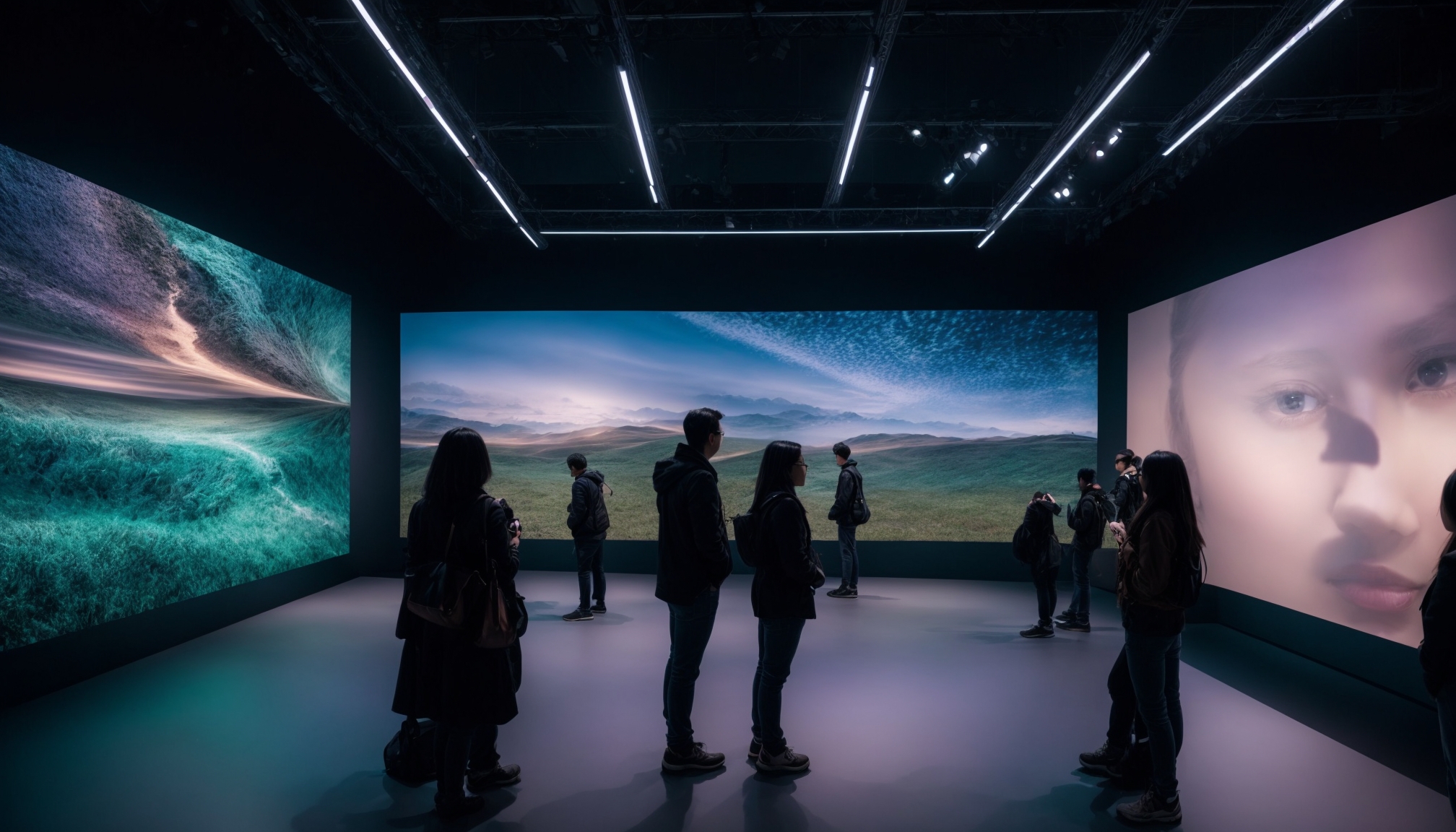
RobertDraws.com – international visual art exhibitions have transformed dramatically with the advent of digital technology, reshaping the way audiences engage with creativity worldwide. This shift brings new challenges and opportunities for artists, curators, and visitors alike.
One of the most significant changes in international visual art exhibitions is the integration of advanced technologies such as virtual reality, augmented reality, and interactive digital installations. These tools allow artists to present their works beyond traditional formats, offering immersive experiences that captivate viewers and broaden accessibility.
International visual art exhibitions now often feature collaborative projects across countries and continents thanks to digital connectivity. Institutions use online platforms and social media to reach wider audiences, democratizing art consumption and enabling real-time interaction regardless of geographical boundaries.
Despite the opportunities, international visual art exhibitions face obstacles, including digital fatigue, questions about authenticity, and the challenge of replicating the physical atmosphere of galleries online. Curators and artists continuously explore ways to maintain meaningful engagement while embracing digital transformation.
Looking ahead, international visual art exhibitions will likely combine physical presence with digital enhancements, creating hybrid models that cater to diverse preferences. This approach ensures resilience in uncertain times and sustains global cultural exchanges that celebrate artistic innovation around the world.
Understanding the dynamics of international visual art exhibitions is essential for appreciating how art evolves through technology and global collaboration. The continued growth of these exhibitions signals vibrant prospects for artists and audiences alike in the digital era.