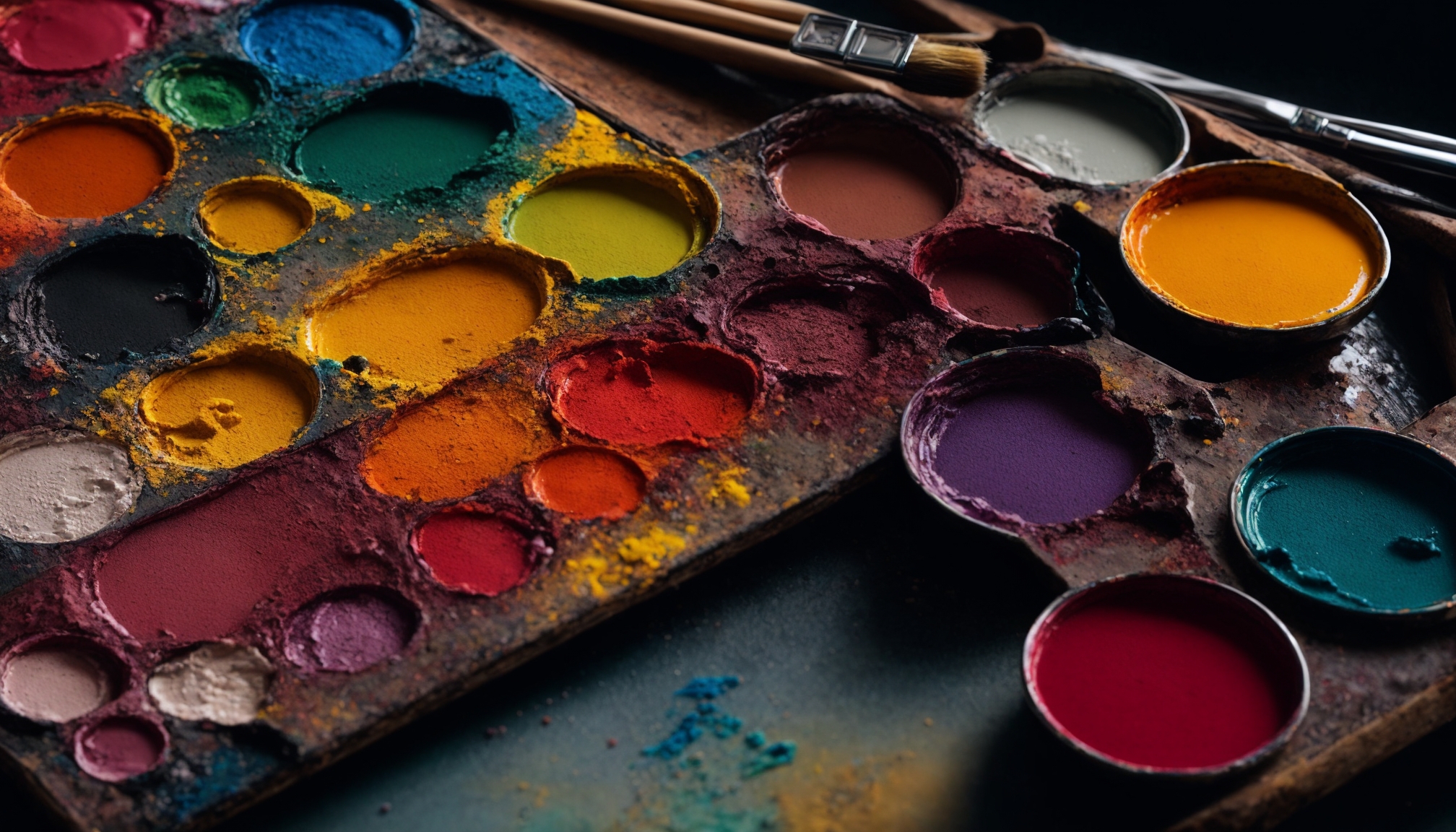
RobertDraws.com – how color theory changed my artwork profoundly by introducing me to the nuanced relationships between hues, shades, and contrasts.
When I first began painting, I relied solely on intuition and random color choices. However, learning how color theory changed my artwork gave me a framework to mix colors effectively and balance compositions. Understanding concepts like complementary colors, analogous schemes, and color temperature allowed me to create harmony and tension purposefully.
My approach evolved dramatically once I embraced how color theory changed my artwork’s depth and mood. For example, I started using warm and cool colors strategically to evoke emotions and guide the viewer’s eye. Layering transparent glazes became more meaningful as I explored color interactions. These techniques enriched my paintings beyond what I imagined possible.
Read More: Color psychology in art and how it affects emotions
Whether working in realism, abstraction, or impressionism, I realized how color theory changed each style’s visual storytelling. For abstract pieces, vibrant clashing colors create dynamic energy, while in realism, subtle tonal shifts bring naturalism. This knowledge also improved my ability to critique and understand other artists’ work more objectively.
Reflecting on my artistic journey, I see clearly how color theory changed my artwork by unlocking new creative potentials and visual languages. It transformed color from a mere decorative element into a powerful tool of expression. Those interested in advancing their art should consider exploring these principles to craft more engaging and meaningful pieces.
For a deeper dive into related topics, visit how color theory changed to explore further insights and ideas.