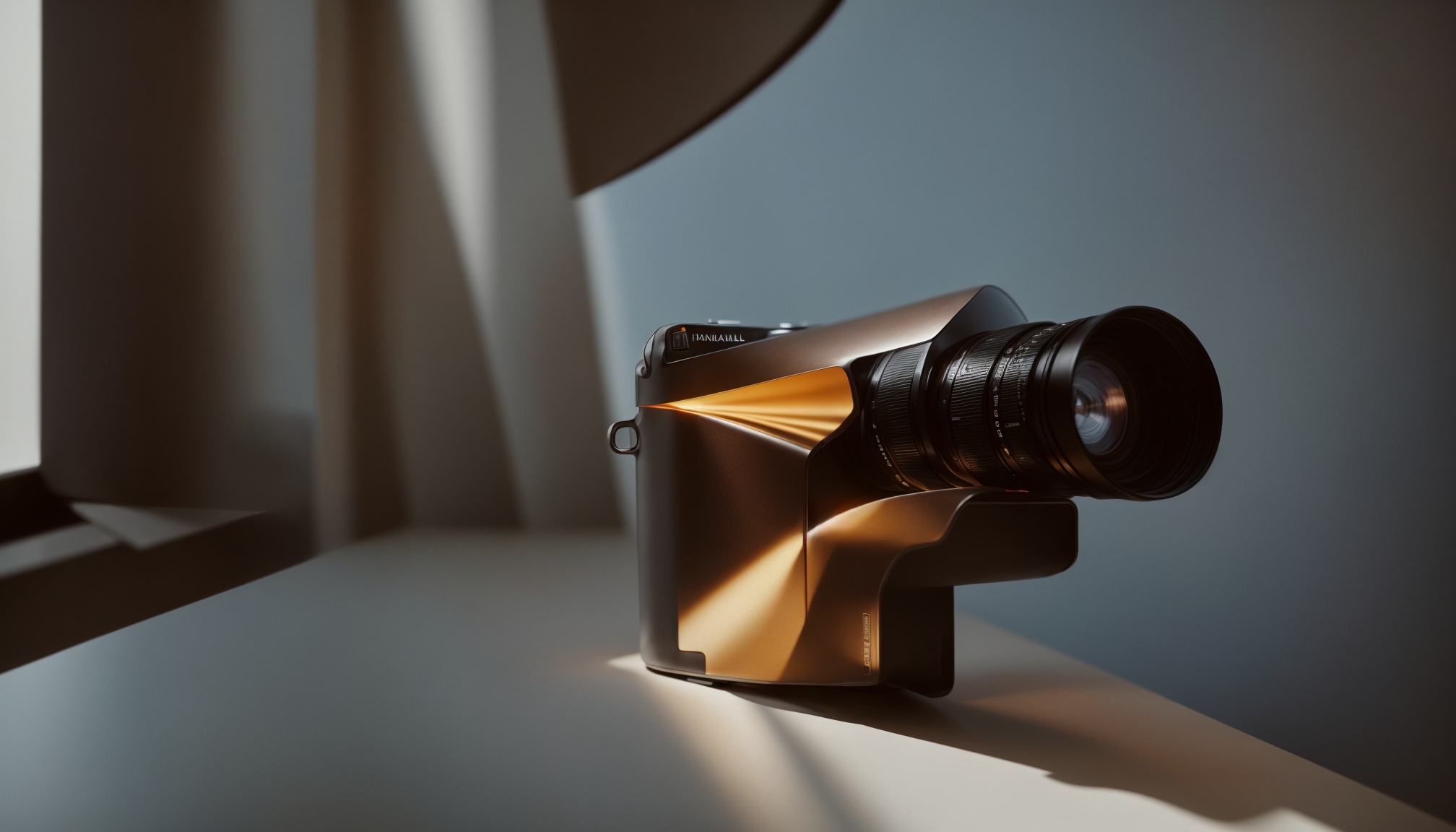
RobertDraws.com – mastering how to use light and shadow is essential to adding depth and dimension to your photographs, turning simple captures into compelling images that engage viewers.
To effectively use light and shadow, it’s important to recognize how lighting shapes perception. Shadows provide contrast and highlight textures, while light guides the viewer’s eye and models forms. By balancing these elements, photographers add three-dimensionality to otherwise flat scenes.
One common technique to use light and shadow involves directional lighting. Side lighting, for instance, dramatically accentuates textures and contours by casting long shadows. Backlighting can create silhouettes, giving strong outlines that emphasize shape and depth. Experimenting with natural and artificial light sources helps refine your understanding of this interplay.
Creative application of use light and shadow helps in storytelling through photography. Shadows can evoke mood, mystery, or drama, while areas of brightness can symbolize hope or focus. Think about how the position and intensity of light alter the viewer’s emotional response, thereby making your images more impactful.
Read More: Understanding Light to Capture Stunning Photos
Using reflectors, diffusers, and modifiers allows photographers to control light quality and shadow softness. Adjusting your camera settings, such as aperture and ISO, also helps fine-tune exposure to highlight desired details or create dramatic contrasts. Continuous practice and awareness of light throughout the day enhance the ability to use light and shadow naturally.
Post-processing software offers tools to refine use light and shadow effects, enhancing depth or correcting exposure issues. Techniques like dodging and burning selectively lighten or darken areas, reinforcing three-dimensionality. Incorporating these methods ensures your photos achieve their highest visual potential with balanced depth.
From conceptualizing your shot to editing the final image, the ability to use light and shadow determines the depth and emotion your photography conveys. Practice observing how light interacts with subjects in different settings, and apply your skills consistently. Ultimately, use light and shadow becomes a powerful language in your photographic storytelling.
Robert Draws - A comprehensive 2024 survey by the Association of Independent Colleges of Art and Design indicates that applications…
Robert Draws - The global digital art market has witnessed an unprecedented surge, yet the educational framework for aspiring artists…
Robert Draws - A 2023 survey by the National Art Education Association revealed that 72% of beginners abandon visual arts…
Robert Draws - A recent survey conducted by the Strada Education Network in 2022 reveals that 39% of visual arts…
Robert Draws - The global art market has witnessed a staggering 65 billion USD in sales revenue in 2023, yet…
Robert Draws - The barrier to entry for creating professional-grade artwork has virtually collapsed in the last decade, yet data…