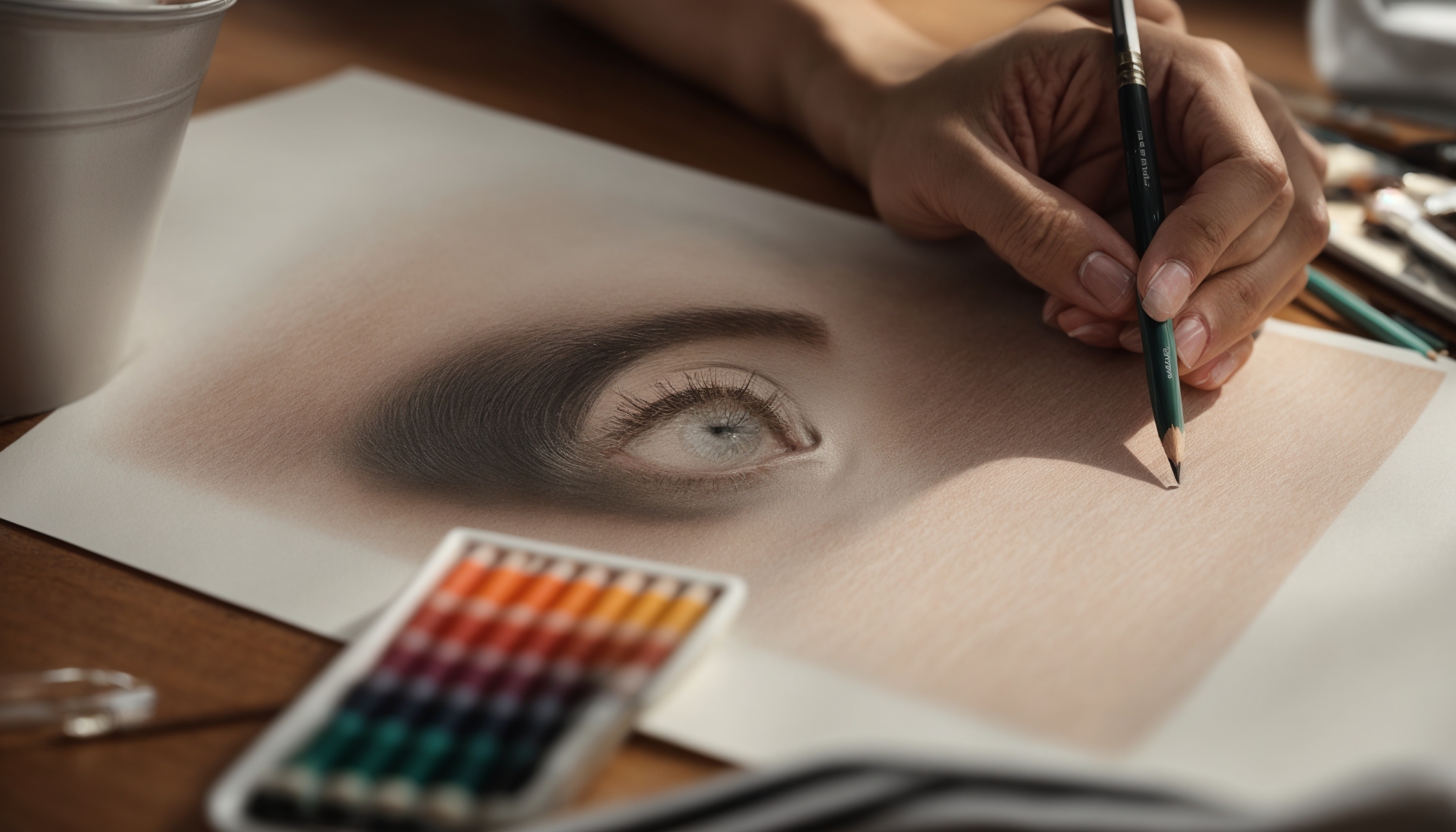
RobertDraws.com – Understanding how simple sketches turn artwork into polished and captivating creations is essential for artists at every level. This transformation involves refining rough lines and adding depth, detail, and color to breathe life into the initial concept.
Simple sketches turn artwork into the blueprint that guides the entire creative process. These initial drawings capture the core elements and composition, allowing the artist to explore shapes, proportions, and ideas freely without committing to final details. They are invaluable for visualizing concepts before investing time in more elaborate work.
Turning simple sketches turn artwork requires a variety of artistic techniques. Artists often start by refining their outlines, using erasers or digital tools to clean up unnecessary marks. Next, shading and texturing add depth and volume, enhancing the perception of three-dimensionality. Finally, layering with color or mixed media brings vibrancy and emotion to the piece.
Patience and practice are critical when simple sketches turn artwork from a rough idea to a masterpiece. Artists must be willing to experiment and revise their work multiple times. This iterative approach often leads to surprising improvements and a final piece that resonates deeply with viewers.
Modern tools have changed how simple sketches turn artwork. Digital tablets and software like Photoshop or Procreate allow unprecedented control and versatility, enabling artists to undo mistakes easily and try different styles quickly. Traditional tools like pencils, inks, and paints remain fundamental, especially for those who prefer tactile engagement with their art.
The journey from simple sketches turn artwork fosters not just a finished piece but also the artist’s development. Through this process, creators improve their observational skills, hand-eye coordination, and conceptual thinking. The ongoing cycle of sketching and finishing artwork nurtures innovation and technical mastery.
Each mark made in simple sketches turn artwork reflects an idea’s potential. Recognizing and nurturing this potential encourages artists to keep experimenting, pushing boundaries, and discovering new expressions. Over time, these humble beginnings become the foundation for consistently exceptional creations.