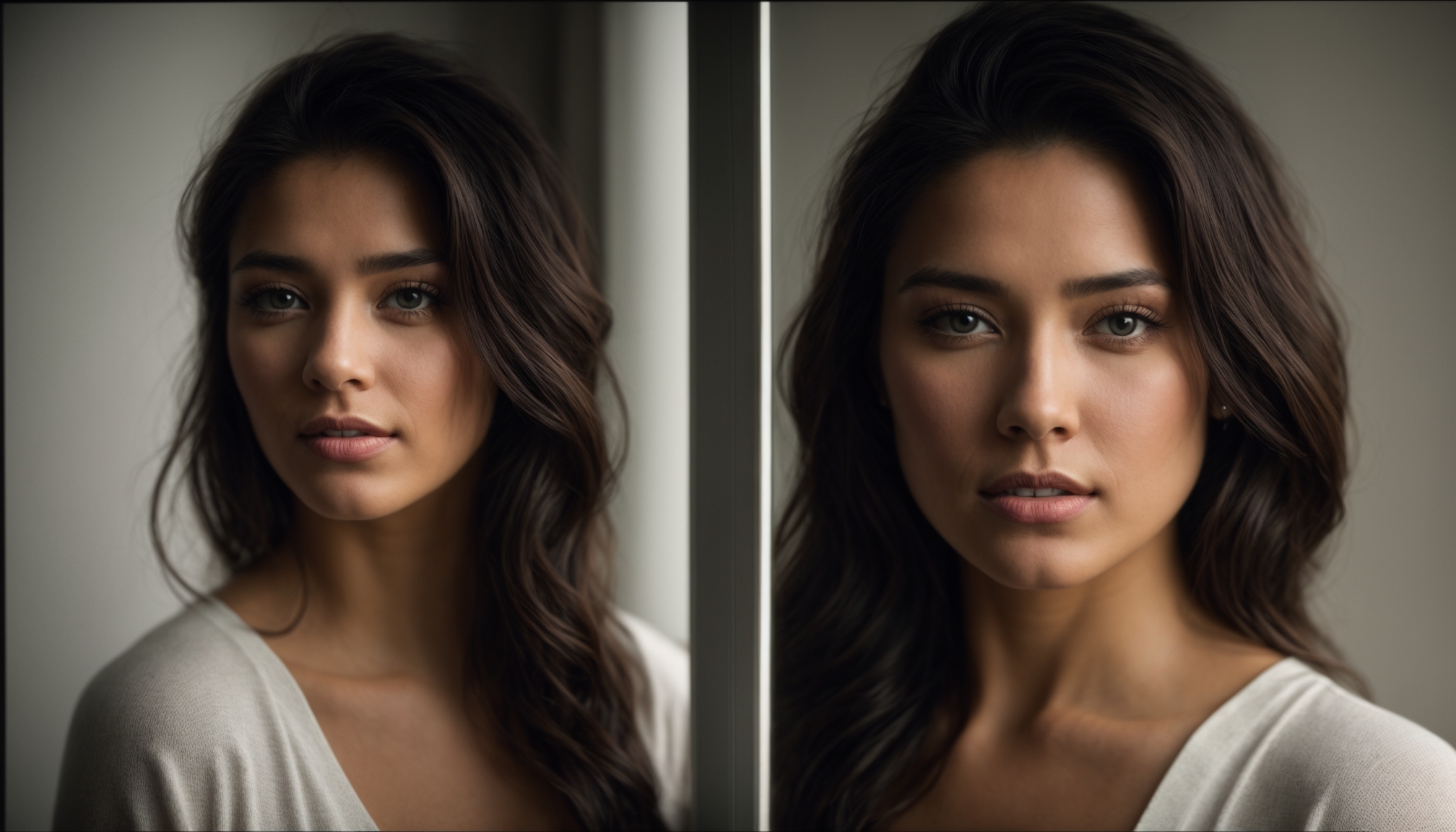
RobertDraws.com – Photographers increasingly rely on emotional eye expression photography to create portraits that feel intimate, honest, and unforgettable for viewers.
The eyes reveal tension, calm, fear, and joy long before words appear. Because of this, emotional eye expression photography depends on how well you notice micro-expressions, subtle changes in gaze, and the muscles around the eyes. Slight squints, raised brows, or softened eyelids can completely change the story of a portrait.
Instead of focusing only on smiles, watch the area from the eyebrows to the upper cheeks. This region often communicates whether a smile is genuine or posed. When the eyes match the mouth, the emotion feels real. When they do not, the portrait looks flat or staged.
On the other hand, direct eye contact can create intensity and connection. A subject looking slightly away can feel reflective, vulnerable, or mysterious. Learning to read these visual cues helps you decide how to guide your subject’s gaze and expression in each frame.
Light shapes the eye and the mood. Emotional eye expression photography gains depth when you control shadows and catchlights with intention. Soft, diffused light from a window or softbox often works best for emotional portraits because it keeps skin gentle while preserving detail around the eyes.
Position your main light slightly above eye level and off to one side to create dimension. This setup gives a subtle shadow under the brow and cheekbone, which adds drama without overwhelming the face. Pay close attention to the catchlight in the iris; a well-placed reflection brings life and clarity to the eyes.
Meanwhile, low-key lighting with darker backgrounds increases intensity and can emphasize serious or contemplative moods. High-key lighting with bright backgrounds suits lighter, joyful emotions. Choose lighting that supports the feeling you want, rather than relying on the same setup for every portrait.
The way you frame and pose your subject can either amplify or weaken the emotional message of the eyes. A tight crop around the face or even just the upper half of the face draws the viewer directly to the eyes. Tilt the chin slightly up or down to shift how the eyelids catch the light and how intense the gaze appears.
Ask your subject to lead their movement with the eyes, not the head. A small change in where they look—toward the camera, past the lens, or down—creates different emotional narratives. Because emotional eye expression photography depends so heavily on subtlety, shoot a series of small variations instead of one single pose.
Read More: Professional tips to shoot stronger and more expressive portraits
Use foreground elements like door frames, fabrics, or hands to partially frame the face. This adds context and depth while still keeping the eyes as the main focal point. However, avoid covering the eyes too much, as clear visibility is crucial when you want the viewer to connect emotionally.
Technical skill alone cannot guarantee convincing emotion. You also need to direct and collaborate with your subject. Start with conversation before you pick up the camera. Ask about their day, their interests, or the purpose behind the portrait. When they relax, their eyes soften and their expressions become more natural.
Instead of saying “look sad” or “look happy,” try prompts that trigger genuine reactions. Ask them to think of a specific moment, recall a meaningful person, or imagine a situation. Emotional eye expression photography works best when the subject feels something real, not when they simply perform a mood on command.
Keep giving gentle feedback. Short phrases like “hold that thought,” “stay with that feeling,” or “look just past my shoulder” guide the subject without breaking their emotional state. Maintain eye contact between shots so they feel supported and seen, not judged or inspected.
Technical choices can make or break the emotional impact of a portrait. Use a wide aperture, such as f/1.8 to f/2.8, to blur the background and draw attention to the eyes. However, ensure your depth of field is not too shallow; both eyes should remain sharp when the subject faces the camera directly.
Always set your focus point on the eye closest to the lens. Many modern cameras have eye-detection autofocus, which simplifies this step. Even so, review your images at high magnification during the shoot to confirm that the iris, not the nose or eyelashes, holds critical focus.
Slight camera movement or subject motion can ruin a powerful gaze. Use a shutter speed fast enough to avoid blur, typically 1/160 second or faster for handheld portraits. Emotional eye expression photography relies on crisp details in the eyes, so stability matters as much as composition.
Single portraits can be powerful, but a series of images often reveals a fuller emotional story. Plan a sequence that moves from subtle expression to stronger emotion, or from direct gaze to contemplative looks away from the camera. This progression gives viewers more time to connect with the subject.
Consider how clothing, background, and color palette support the emotion in the eyes. Muted tones often suit introspective moods, while brighter colors complement energetic expressions. Keep your style consistent across the series so the eyes remain the central point of connection.
For stronger cohesion and discoverability, develop a clear personal approach to emotional eye expression photography that combines light, composition, and direction in a recognizable way. Over time, your portraits will not only look technically polished but also feel emotionally honest and memorable to anyone who views them.