RobertDraws.com – blending traditional sketching with digital tools has become a transformative approach in modern art, allowing artists to merge the tactile feel of hand-drawing with the flexibility of digital technology. This hybrid technique elevates creative possibilities and streamlines artistic workflows.
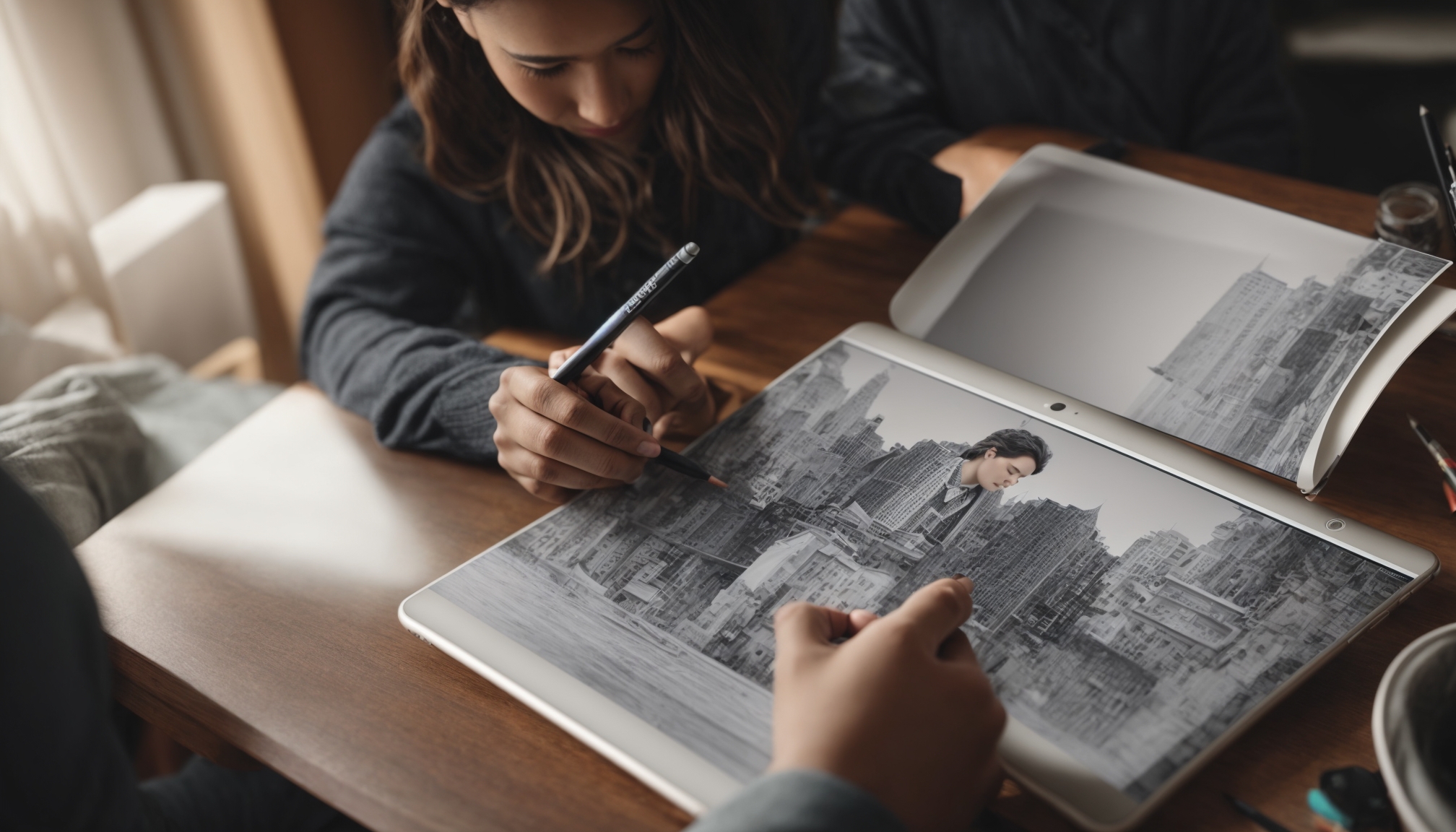
Blending traditional sketching with digital tools means combining classic hand-drawing methods, such as pencil or ink sketches on paper, with digital software and hardware like tablets, styluses, and creative applications. This approach enables artists to preserve the authenticity and personal touch of manual sketches while leveraging the editing precision and efficiency of digital platforms.
One key advantage of blending traditional sketching with digital tools is flexibility. Artists can initially create detailed sketches on paper, scan or photograph them, then refine or add color digitally. This process reduces mistakes and enhances experimentation. Furthermore, digital layers allow non-destructive editing—a significant improvement over traditional erasing.
Additionally, digital tools provide vast resources such as customizable brushes, undo options, and instant sharing capabilities. This fosters creative exploration and collaboration, elements invaluable to contemporary artists adapting to fast-paced digital environments.
To optimize blending traditional sketching with digital tools, artists often use graphic tablets like Wacom or iPad Pro paired with apps such as Procreate, Adobe Photoshop, or Clip Studio Paint. Techniques include:
Artists also benefit from stylus pressure sensitivity, which captures intricate nuances from traditional strokes, preserving the expressiveness of the original sketch while enhancing it with digital precision.
Read More: How Artists Combine Traditional and Digital Art Techniques
Blending traditional sketching with digital tools is widely utilized in industries including animation, graphic design, and concept art. This hybrid method supports fast iteration and allows creative teams to adapt quickly to client demands or project changes. Moreover, emerging technologies such as augmented reality (AR) and artificial intelligence (AI) promise to further revolutionize this blend by offering new ways to interact with sketches and edit artworks dynamically.
Embracing blending traditional sketching with digital tools fosters a powerful synergy that enriches artistic expression. As artists continue to integrate physical and digital realms, their work achieves unique aesthetics and improved workflow efficiency. This integration reflects the evolving nature of art in the digital age, marking a significant step forward for creative industries and individual artists alike.