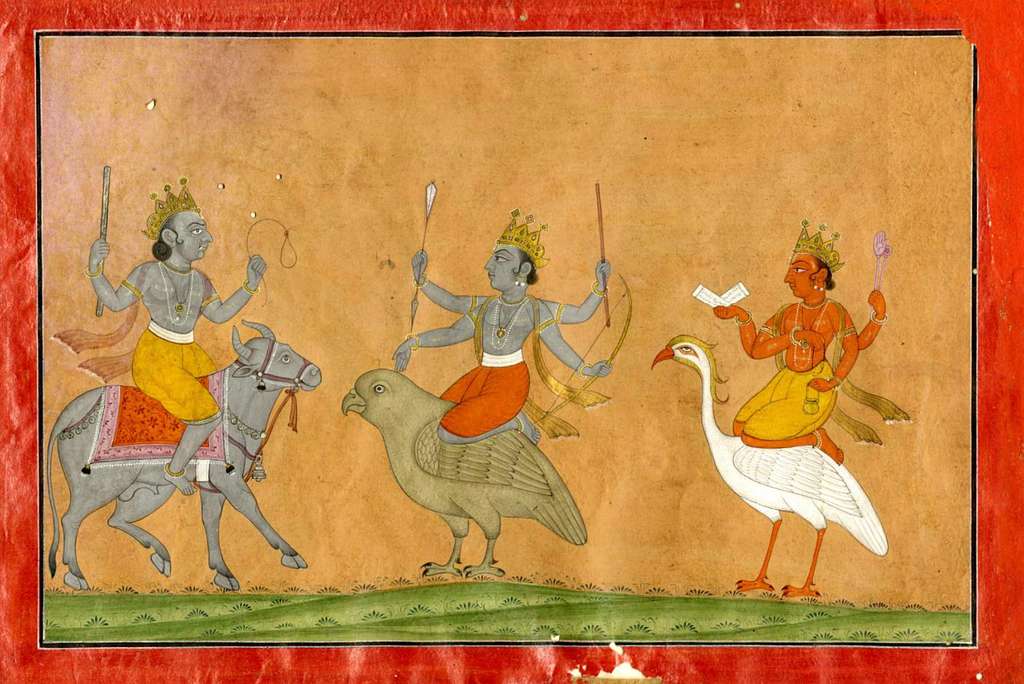
Robert Draws – Art of Ancient India reflects a long journey of spiritual evolution. The British Museum presents Ancient India: Living Traditions with remarkable depth. This exhibition explores devotional sculpture from 200 BCE to 600 CE. It reveals how sacred images transformed into relatable, human-centered forms. Visitors witness powerful shifts in artistic and religious expression. The show presents Jain, Buddhist, and Hindu works together. Each piece demonstrates changing ideas of divinity and devotion. This exhibition also explores how colonialism influenced religious art’s legacy.
Ancient Indian art evolved with changing spiritual and social ideals. Early representations focused on abstract symbols and sacred motifs. Over time, artists created figures with lifelike and emotional qualities. This shift reflected a deeper personal connection to the divine. Artists depicted gods and enlightened beings as human in form. Sculptures began to show bodily gestures and facial expressions clearly. This transformation marked a turning point in Indian spiritual aesthetics. Viewers connect more directly with devotional figures through human features.
“Read about: The Garden of Earthly Delights: A Masterpiece of Symbolism and Fantasy”
The exhibition highlights India’s rich diversity of faith traditions. It features sacred art from Jainism, Buddhism, and Hinduism. Each tradition offers unique expressions of divine presence and meaning. Buddhist art emphasizes compassion and the path to enlightenment. Hindu works celebrate divine power through gods like Shiva and Vishnu. Jain sculptures reflect the purity and discipline of enlightened beings. Despite differences, all traditions promote spiritual growth through visual culture. This shared purpose unites the exhibition’s wide-ranging religious works.
Artists shaped stone into highly expressive devotional objects. Sculptures feature smooth bodies, delicate hands, and spiritual gestures. Eyes look inward or outward, guiding worshipper attention intentionally. Symbols like lotuses and halos amplify sacred meaning and presence. Materials such as sandstone, bronze, and terracotta were used skillfully. Every detail communicates the subject’s divine or awakened state. The exhibition invites viewers to slow down and observe deeply. The expressive power of form communicates across centuries and cultures.
“Read more: Phoenix Joins the Table: Exclusive Chef-Led Dinners Begin This June”
Art of Ancient India reveals how colonialism disrupted devotional practices deeply. European collectors took sacred sculptures from original spiritual contexts. Many pieces left temples, monasteries, and pilgrimage centers abruptly. These removals changed the meaning and purpose of devotional works. Sacred items lost their connection to active ritual and worship. Art of Ancient India now appears in museums far from its roots. The British Museum presents this reality with clarity and responsibility. The exhibition invites reflection on ownership, ethics, and cultural legacy.
Curators shaped the exhibition to promote cultural understanding. Wall texts explain religious concepts in accessible language. The layout encourages slow, respectful viewing of each sculpture. Lighting emphasizes the textures and forms of sacred figures. Interactive stations offer deeper insight into iconography and technique. Educational programs invite schools and communities into the experience. The museum hosts talks with scholars and spiritual leaders. This outreach strengthens awareness of India’s living devotional traditions.
Ancient Indian devotional art continues to inspire around the world. Artists today draw on its spiritual symbolism and visual language. Museums explore new ways to present and interpret sacred works. Scholars revisit the meanings behind ancient religious imagery. Audiences discover relevance in ancient stories and spiritual ideals. This exhibition reminds viewers of the shared human need for meaning. Art becomes a bridge between ancient practice and modern reflection. The spiritual legacy of India remains globally significant today.
Robert Draws - The global digital art market has witnessed an unprecedented surge, yet the educational framework for aspiring artists…
Robert Draws - A 2023 survey by the National Art Education Association revealed that 72% of beginners abandon visual arts…
Robert Draws - A recent survey conducted by the Strada Education Network in 2022 reveals that 39% of visual arts…
Robert Draws - The global art market has witnessed a staggering 65 billion USD in sales revenue in 2023, yet…
Robert Draws - The barrier to entry for creating professional-grade artwork has virtually collapsed in the last decade, yet data…
Robert Draws - A recent analysis of learning outcomes among art students suggests that 70% of beginners fail to progress…