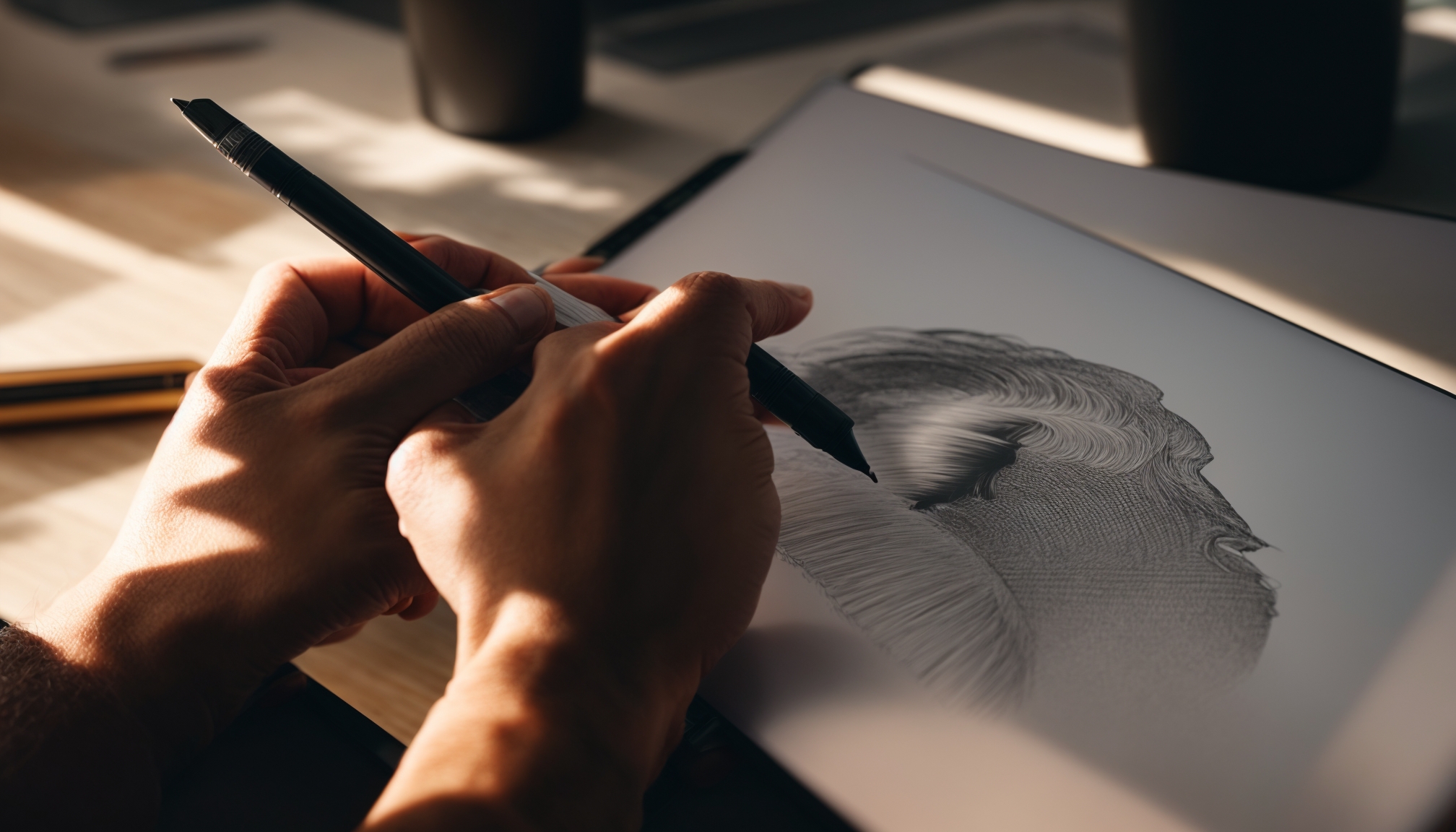
RobertDraws.com – mastering lighting and shadow techniques life transforms flat drawings into dynamic, vivid illustrations that captivate viewers immediately.
Lighting and shadow techniques life serve as essential tools for artists wanting to add three-dimensionality and mood to their illustrations. By observing how light interacts with objects in real life, creators can replicate this effect on a two-dimensional canvas. Light sources dictate the strength and angle of shadows, while shadows help define form, texture, and space. Employing these techniques properly grants life and realism to art beyond simple line work.
Various lighting and shadow techniques life exist to evoke different atmospheres. Soft lighting produces gentle shadows useful for calm and subtle scenes, while harsh lighting creates sharp contrast and dramatic depth ideal for tension or emphasis. Backlighting can outline subjects with glowing edges, adding mystique. Understanding these types empowers illustrators to control focus and emotion in their work.
Start by choosing a clear light source in your composition. Consistency is key for believable shadows. Use gradients in shadowing for smooth transitions rather than solid blocks of black. Experiment with ambient occlusion to make crevices and corners naturally darker. Layering semi-transparent shadows adds richness and complexity. Digital tools often provide settings that simulate realistic lighting, streamlining this process.
Read More: How lighting enhances illustration techniques
One frequent error is neglecting the direction of the light, causing inconsistent shadows that confuse viewers. Another is over-darkening shadows without variation, which flattens the image instead of enriching it. Avoid placing too many light sources randomly, as it can dilute the scene’s coherence. Keep the light logic clear to maintain the illustration’s credibility.
The integration of thoughtful lighting and shadow techniques life can significantly elevate an artist’s portfolio. Whether in traditional media or digital platforms, these techniques help narrate visual stories more effectively. For inspiration and further skill development, exploring master’s works and practicing light studies will enhance understanding and application.
For detailed insights, visit lighting and shadow techniques life to explore more advanced methodologies.